Ottoman Architecture
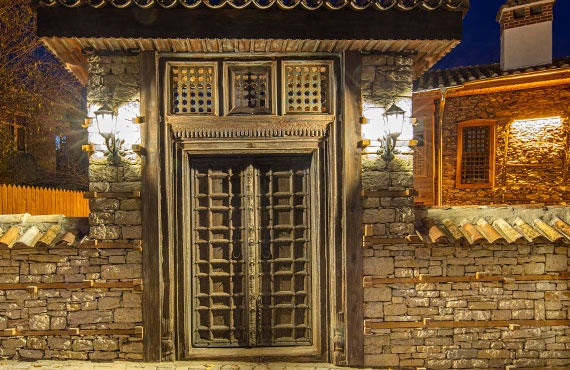
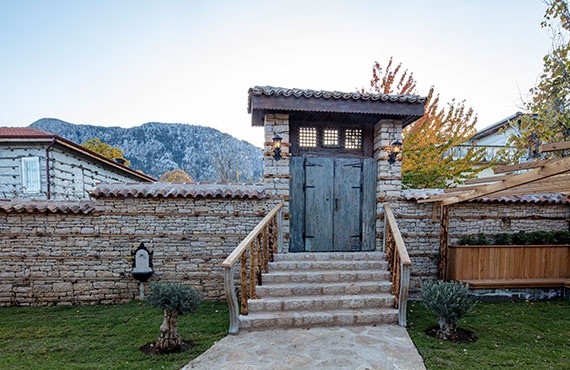
Button Houses represent a unique architectural style found mainly in Akseki and İbradı districts of Antalya, unparalleled in the world. These houses were developed during the Ottoman period and built entirely with natural materials.
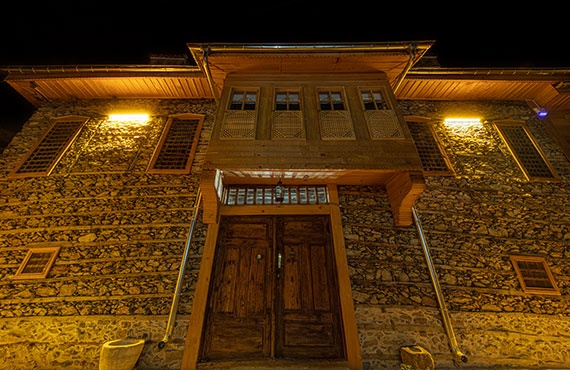
No adhesive materials such as cement or mortar are used in construction. The wooden frame made from Cedar (Katran) trees growing in the high parts of the Taurus Mountains is combined with stones. These houses are called "Button Houses" because the parts of the frame that remain outside look like buttons.
Construction Technique
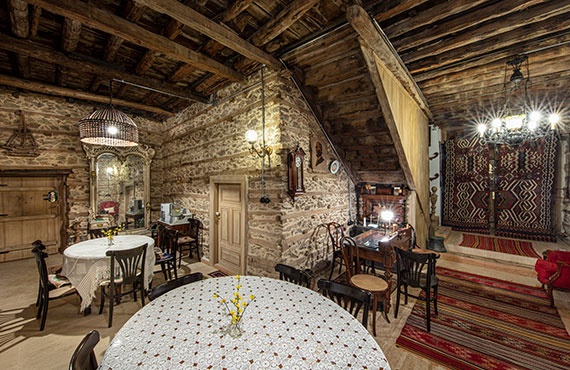
Button Houses are generally built as two stories. While the lower floor is traditionally used as a barn, hayloft or cellar, the upper floor is used as a living space. This arrangement allows benefiting from the warmth of animals and protecting fertile lands.
Wall thicknesses of the houses vary between 70 cm and 1.20 meters, keeping them cool in summer and warm in winter. The natural scent of cedar wood keeps insects away and prevents the wood from rotting. Some houses have been standing for over 300 years.
The Button Houses in Ormana Village were registered as "Immovable Cultural Property to be Protected" by Antalya Cultural Heritage Preservation Board in 2003 and declared an urban conservation area. It was accepted as a member of the Historic Cities Union in 2012.
Features
Lower floor for animals and storage, upper floor designed as living space.
Built with cedar wood and local stones, without using cement.
Thick walls keep it cool in summer, warm in winter.
Flexible wooden frame provides earthquake resistance.
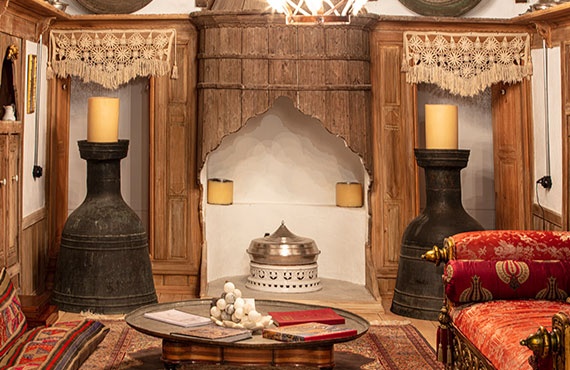
Yeniçeri Ahmet Ağa Mansion offers a unique accommodation experience where you can experience authentic button house architecture.
Book Now